Write the use before the look
Start with who will sit, how they will sit and what the room asks of the furniture. An upright reading chair, a low lounging sofa and a seat used to stand up frequently need different proportions. Record the users’ practical preferences without assuming that a single height or body measurement determines comfort. If accessibility or clinical needs matter, seek suitable specialist advice alongside the furniture maker.
Measure the space and the route into it. Door openings, stair turns, lift dimensions and removable legs can decide whether a finished piece reaches the room. Mark the proposed footprint with tape and leave room for circulation. Give the maker photographs and dimensions, then clarify who is responsible for checking access. A beautiful drawing is not an access survey.
Separate custom options from bespoke design
“Bespoke” may mean a new design, a resized existing frame or simply a choice of leather and legs. None of those services is inherently wrong, but they involve different work and risk. Ask what is being designed specifically for you, what already exists and which dimensions can change without altering the underlying engineering. A deeper seat can affect both comfort and structural demands.
Agree the design deliverables. These might include dimensioned drawings, leather samples, a timber finish sample and a representative comfort trial. A full prototype may be disproportionate for a small order, but an existing chair is only a useful reference if the maker explains how your version differs. Keep drawings dated and numbered so that an old sketch cannot silently become the production instruction.
Build a specification that can be checked
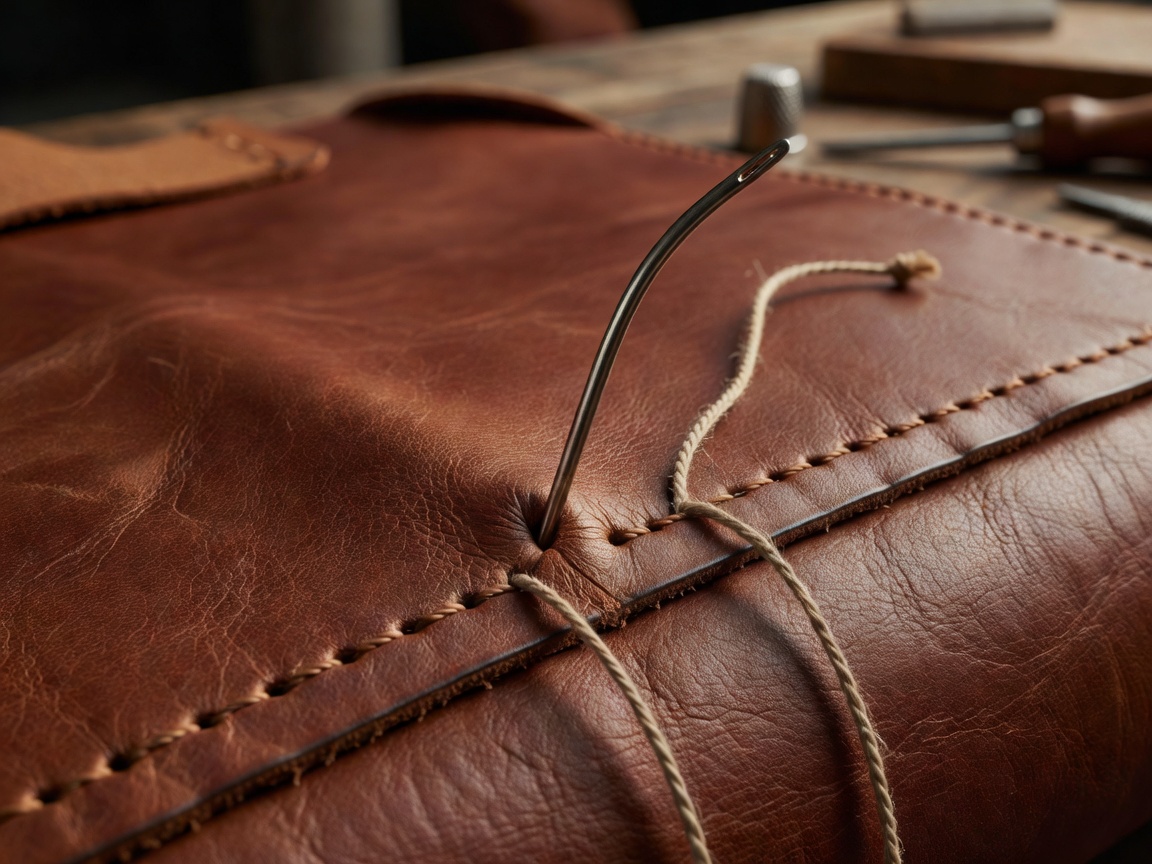
The specification should identify overall dimensions, seat dimensions, frame construction, suspension, cushion fillings and leather article. Add seam layout, piping, leg finish, visible hardware and any removable components. Where handmade work requires dimensional tolerances or natural variation, agree them explicitly. “As discussed” is a poor substitute for a clear description when several conversations have taken place.
Traceability claims need the same discipline. The Forest Stewardship Council and the Programme for the Endorsement of Forest Certification operate forest-related certification systems, but a workshop’s general environmental statement does not establish that your furniture carries a particular certified claim. Ask what documentation applies to the timber or product supplied. Retain the answer with the specification rather than treating a logo as a complete explanation.
Agree money, timing and change control
Request an itemised written quotation showing what is included: design work, materials, upholstery, tax where applicable, delivery, access handling and installation. If a deposit is required, understand what it funds and what happens if either party cannot proceed. Avoid assuming that every custom order has the same cancellation position as an off-the-shelf internet purchase.
In the United Kingdom, the Consumer Rights Act 2015 is a key source for goods and services rights. The Consumer Contracts Regulations 2013 contain provisions relevant to distance and off-premises contracts, including exceptions for certain made-to-specification or clearly personalised goods. An exception to a change-of-mind cancellation right does not simply remove rights concerning faulty goods. Individual circumstances matter; consult Citizens Advice or qualified advice rather than relying on a sales summary or this general guide.
Set approval milestones and a method for variations. A change should state its cost, timing effect and any technical consequences before work proceeds. Distinguish an estimated completion window from a contractual commitment. Clear records reduce misunderstandings without turning every conversation into a confrontation.
Inspect at the useful moments
Agree when you will review the frame, leather selection and final appearance. If a visit is impractical, ask for labelled photographs and written explanations. An inspection is most valuable before a decision becomes expensive to reverse. Do not demand decorative perfection from an unfinished assembly; ask whether the construction matches the approved specification and whether any changes need your agreement.
For interior-led projects, the British Institute of Interior Design provides context on professional design practice, but membership is not a substitute for a clear contract with the actual supplier. If a workshop advertises dispute resolution through the Furniture & Home Improvement Ombudsman, confirm its current membership and the scheme’s scope. A familiar organisation name is useful only when you know what it covers.
Close the order with a handover record
On delivery, check the item in good light where practical. Record transit damage or obvious discrepancies promptly, using photographs and a factual description. Check that removable parts fit, the chair stands as intended and any agreed mechanisms operate. Follow the supplier’s reporting process without assuming that a delivery signature settles every question about later-discovered problems.
Keep the final specification, approved samples, invoice, care instructions and warranty together. Ask for the leather reference and cushion details even if replacements are years away. Bespoke work is easier to live with when its history remains legible. The real benefit is not merely owning something different; it is knowing what was made, why it was made that way and who can help maintain it.
Next entry: Keeping Leather Well →